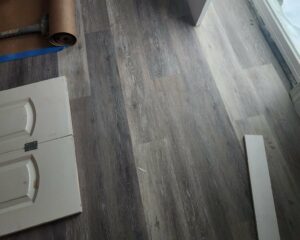
What Is LVP Flooring? Types, Benefits, and Installation Guide
If you’re exploring flooring options for your home, rental property, or commercial space in 2026, LVP flooring is a popular choice. But what sets it apart from laminate, hardwood, or other materials?
This blog covers everything you need to know about luxury vinyl plank (LVP) flooring, including its types, key benefits, potential drawbacks, and a detailed installation process.
Whether you’re a homeowner in Charlotte, NC, or managing commercial properties, we’ll help you decide if LVP is the right fit for your project.
What Is LVP Flooring?
LVP, or luxury vinyl plank, is a synthetic flooring material engineered to mimic the look and feel of real hardwood. It’s composed of multiple vinyl layers, including a high-resolution photographic layer that replicates natural wood grains, textures, and colors.
Unlike older sheet vinyl, LVP comes in individual planks for a more authentic wood-like installation. Key advantages include:
- Realistic Aesthetics: High-definition prints that look just like oak, maple, or exotic woods.
- Waterproof Design: Ideal for moisture-prone areas.
- Durability: Resists scratches, dents, and daily wear.
- Affordability: Costs significantly less than genuine hardwood.
Common applications include kitchens, bathrooms, basements, rental units, offices, and high-traffic family homes. In 2026, advancements in LVP technology have made it even more eco-friendly and customizable.
What Is LVP Made Of?
Luxury vinyl plank flooring typically consists of 4-5 layers, each serving a specific purpose:
1. Wear Layer: A clear top coat that guards against scratches, stains, and fading.
2. Printed Design Layer: Features the realistic wood or stone imagery.
3. Core Layer: The structural backbone, often made from SPC (Stone Plastic Composite) or WPC (Wood Plastic Composite) for stability.
4. Backing Layer: Provides additional support, balance, and sometimes acoustic insulation.
5. Optional Attached Underlayment: Adds cushioning for comfort and noise reduction.
These layers make LVP resilient and versatile for various environments.
Different Types of LVP Flooring
LVP comes in several varieties, differentiated by core material and installation style. Choose based on your space’s needs, such as traffic level or DIY preferences.
1. Glue-Down LVP
– Best For: Commercial spaces, retail stores, and high-traffic areas.
– Features: Thin planks adhered directly to the subfloor with glue for maximum stability.
Pros:
– Exceptional durability and minimal shifting.
– Suitable for large, open layouts.
Cons:
– Requires professional installation due to adhesive work.
– Subfloor must be perfectly level and clean.
2. Click-Lock (Floating) LVP
– Best For: Residential homes, apartments, and DIY projects.
– Features: Planks with interlocking edges that “float” over the subfloor without glue.
Pros:
– Quick and easy to install yourself.
– Can be placed over existing floors like tile or concrete.
Cons:
– May have slight movement underfoot.
– Not recommended for severely uneven surfaces.
3. SPC vs. WPC Core
SPC (Stone Plastic Composite):
– Rigid and dent-resistant.
– Ideal for heavy foot traffic in commercial settings or rentals.
WPC (Wood Plastic Composite):
– Softer and more comfortable to walk on.
– Offers better sound absorption and warmth.
For Charlotte-area rentals or offices, SPC’s rigidity often wins out. In cozy homes, WPC provides a more forgiving feel.
Is LVP Flooring Waterproof?
Yes, most modern LVP flooring is fully waterproof, thanks to its vinyl composition and sealed edges. This prevents swelling, warping, or damage from spills, humidity, or floods.
Perfect for:
– Kitchens and laundry rooms.
– Bathrooms and basements.
– Homes in humid climates like North Carolina.
Unlike hardwood or laminate, LVP handles moisture without compromise, making it a top pick for 2026 renovations.
How to Install LVP Flooring (Step-by-Step)
Installation varies by type, but here’s a straightforward guide for click-lock LVP—the most DIY-friendly option. Always follow manufacturer instructions.
1. Prepare the Subfloor: Clean thoroughly, ensure it’s dry and level. Fill low spots and sand high areas.
2. Acclimate the Planks: Allow them to adjust to room temperature and humidity for 24-48 hours.
3. Lay Underlayment (If Needed): Use if not pre-attached; roll it out evenly.
4. Start Laying: Begin along the longest wall, leaving a 1/4-inch expansion gap. Use spacers.
5. Connect Planks: Angle each plank into the previous one’s groove and tap with a rubber mallet. Stagger seams by at least 6 inches for stability.
6. Cut for Obstacles: Measure and trim around doors, vents, or pipes using a utility knife or jigsaw.
7. Finish Up: Install baseboards or moldings to cover gaps, and add transition strips between rooms.
Pro Tip: For glue-down installs, hire a professional to avoid mistakes. Tools needed: Tape measure, spacers, mallet, and saw.
How Long Does LVP Flooring Last?
With proper care, LVP can endure:
– Residential Use: 15-25 years.
– Commercial Use: 10-20 years.
Lifespan depends on the wear layer thickness (e.g., 12-mil for light use, 20-mil or higher for heavy traffic). Regular cleaning with a damp mop keeps it looking new.
Pros and Cons of LVP Flooring
Pros
✔️ 100% waterproof for worry-free use in wet areas.
✔️ Highly scratch- and stain-resistant.
✔️ Budget-friendly compared to hardwood or tile.
✔️ Simple maintenance—just sweep and mop.
✔️ Convincing wood-like visuals without the upkeep.
✔️ Easier and faster to install than traditional options.
Cons
✖️ Can’t be sanded or refinished like real wood.
✖️ May have lower resale value in luxury homes.
✖️ Potential fading from prolonged direct sunlight.
Overall, the pros outweigh the cons for most practical applications.
Is LVP Better Than Laminate?
It depends on your needs, but LVP often edges out laminate due to its waterproof nature. Laminate can absorb water and swell, limiting its use in kitchens or bathrooms.
Choose LVP if moisture resistance is key. For dry areas on a tight budget, laminate might suffice—but LVP’s durability makes it a smarter long-term investment in 2026.
Final Thoughts: Is LVP Right for You?
In 2026, luxury vinyl plank flooring stands out as a versatile, high-performance option blending style, durability, and value. It’s especially appealing for:
– Homeowners seeking low-maintenance upgrades.
– Property investors flipping houses or managing rentals.
– Commercial owners needing resilient floors.
If you’re in the Charlotte, NC area and considering LVP for your next project, it offers excellent ROI with minimal hassle.